Radiotherapy for Urological Cancers
At East Midlands Urology, Dr Prantik Das is a leading specialist in using advanced radiotherapy for urological cancers, including prostate, kidney, and bladder cancers.
What is radiotherapy?
Radiotherapy (also called radiation therapy) uses targeted beams of radiation to treat cancer. The approach depends on the type and stage of cancer:
- It can be used as a main treatment to control or cure cancer.
- It may be given palliatively to slow cancer growth and ease symptoms such as pain or discomfort when a cure isn’t possible.
- It can also be combined with other treatments for example, before surgery, alongside chemotherapy, or after surgery to reduce the risk of cancer returning.
What are the different radiotherapy techniques?
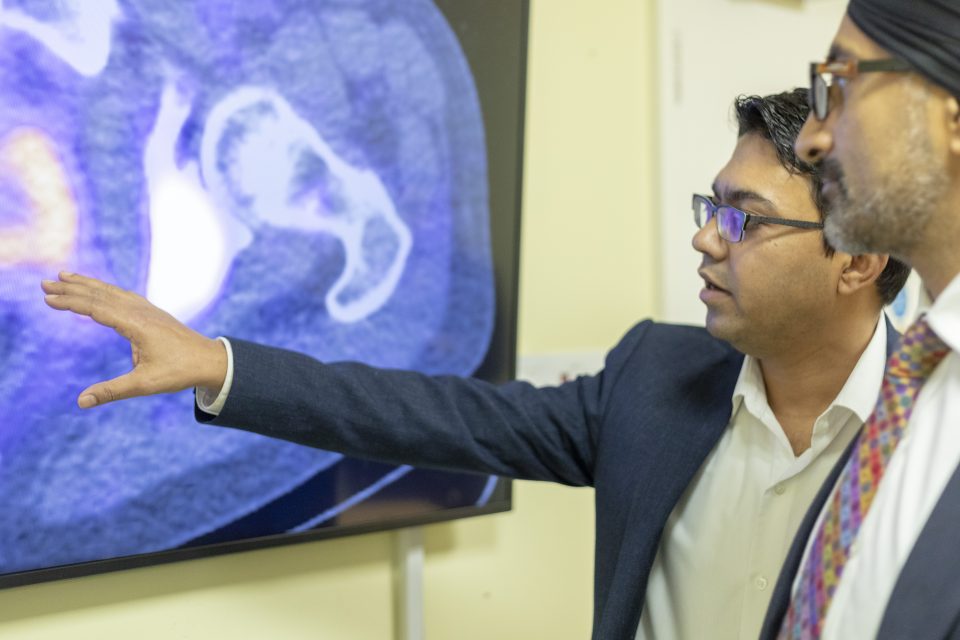
The right technique depends on the type and stage of your cancer. Dr Das will explain the options and recommend the most effective approach for your treatment. The different radiotherapy techniques include:
Stereotactic ablative radiotherapy (SABR/SBRT)
A cutting-edge treatment that delivers very high doses of radiation in just a few sessions. SABR is highly effective for prostate, kidney, and bladder cancers, with minimal side effects. Learn more about SABR.
MRIdian radiotherapy
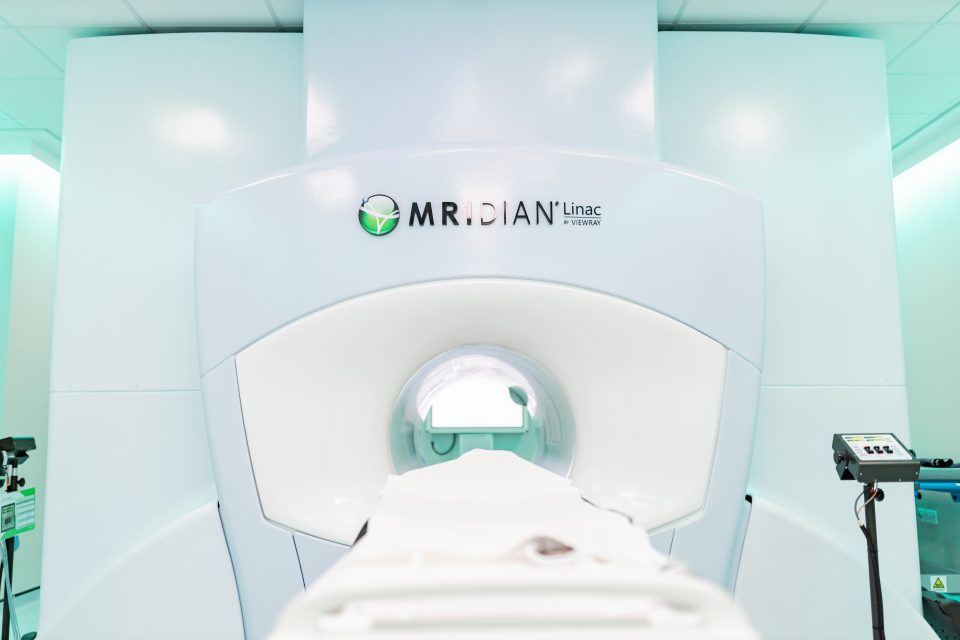
Available through our partnership with GenesisCare, this technology combines MRI scanning with radiotherapy. It allows clinicians to see the tumour in real time during treatment, improving accuracy and reducing damage to healthy tissue. Learn more about MRIdian radiotherapy.
External beam radiotherapy (EBRT)
The most common type of radiotherapy for urological cancers. High-energy beams are directed at the tumour using detailed imaging scans to ensure accuracy. EBRT can be used after surgery or as a primary treatment.
Image-guided radiotherapy (IGRT)
Imaging is carried out before and during each treatment session to ensure radiation is always targeted precisely, even if the tumour moves.
Surface-guided radiotherapy (SGRT)
Uses advanced 3D imaging to position you perfectly for treatment and monitor your body’s movements during therapy.
Volumetric modulated arc therapy (VMAT)
Delivers radiation in a quick, continuous arc around the body, enabling precise targeting and shorter treatment times.
Intensity-modulated radiotherapy (IMRT)
Shapes and adjusts the intensity of beams to deliver higher doses directly to the tumour while protecting surrounding healthy tissue.
Electron therapy
Specially designed for treating cancers close to the skin’s surface, such as certain bladder tumours, with limited impact on deeper tissues.
Radiotherapy with SpaceOAR® Hydrogel
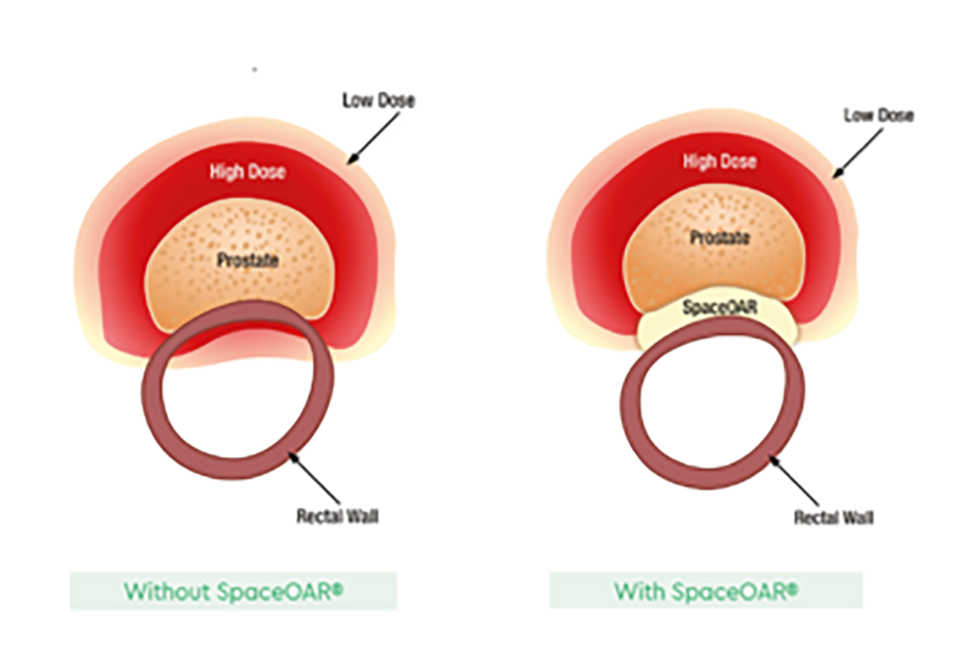
SpaceOAR® Hydrogel is a soft, water-based gel that is safely absorbed by the body over time. During a one-off procedure, the gel is placed between the prostate and the rectum, creating a temporary protective space.
This spacer helps shield healthy tissue by reducing the amount of radiation reaching the rectum during prostate radiotherapy. Over time, the gel naturally breaks down and leaves the body through urine.
Dr Das will discuss whether SpaceOAR is suitable for you before treatment begins.
By dinner time the same day I was home. Within two days, I was running again.
Alex, SpaceOAR Hydrogel patient
MRIdian radiotherapy
MRIdian technology combines high-resolution MRI scanning with advanced radiotherapy beams, allowing tumours to be treated with far greater accuracy than conventional radiotherapy. This is known as MRI-guided radiotherapy (MRIgRT).
Accurate targeting
Real-time MRI shows the exact position and shape of the tumour, so radiation is delivered with precision.
Greater control
The MRIdian automatically pauses if the tumour moves, ensuring safe, accurate treatment.
Fewer side effects
Higher accuracy means less damage to healthy tissue compared with conventional radiotherapy.
Fewer sessions
Traditional radiotherapy can take up to 37 sessions — MRIdian treatment may need only five.
Radiotherapy in Derby and Nottingham
Patients under the care of Dr Prantik Das can access radiotherapy locally at Derby Private Health as well as at GenesisCare Centres, including Nottingham and other locations across the UK. This ensures you have access to world-leading facilities close to home, with treatment delivered as part of a clear, coordinated pathway.